Headeradd

Saturday, March 29, 2014

पाहां चह्रे.- पाँहा अर्थात पाहुना र चर्हे अर्थात पर्ब / तिथी .

पहाँचर्हे जात्रा !

नेवा:समुदायले परापुर्बकाल देखीनै कृष्ण चतुर्दशी को दिन पाँहा चर्हे मनाउने गर्दछ,यस दिन लाइ पिसाच चतुर्दशी पनि भन्ने गरिन्छ !काठमाडौमा विभिन्न जात्रा पर्वहरु हुने गर्दछ यसै मध्ये एक महत्व बोकेको जात्रा हो , पहाँचर्हे जात्रा , अर्थात खट जुधाउने जात्रा ! हरेक वर्ष काठमाडौको केन्द्र असनमा जात्रा गर्ने परम्परा रहि आएको किम्वदन्ती अनुसार लिच्छवि राजाले काठमाडौ खड्ग आकारमा निर्माण गर्दा जना देवि , अजिमाहरु स्थापित गरेका थिए ती नै अजिमाहरुको सम्मान स्वरुप आज सम्म पनि जात्रा गर्ने परम्परा रहि आएको पहिले पहिले असनमा खट जात्रा गरि "द्य ल्वाकेगु" जात्रा हुन्थ्यो भनिन्छ तर हाल आएर देविको मात्र जात्रा हुने गरेको खट ओटा भएता पनि दुइटा खत भद्रकाली ( लुँमरी अजिमा) एउटा खट कंकेश्वरी (चामुण्डा/ कंग अजिमा)को हुन्छ यद्यपि असनमा नभए पनि -आफ्नै किसिमले न्यत अजिमा ( स्वेतकाली ) , तकती अजिमा ( नीलबाराही ) आदिको जात्रा हुने गरेको भने म्हेपी अजिमा ( ज्ञानेश्वरी)को जात्रा बैशाखमा अलग्ग हुने गरेको यसरी असनमा खट जुधाउने भनेर खट नै जुधाइँदैन , तर देव खलकले बोकेर आएको ती:प्वा मत ( चिराग) साटासाट गरेर सम्मान गर्ने प्रचलन यसलाइ अजिमाहरु भेट्घाट गरेको भन्ने गरिन्छ किम्बदन्ती अनुसार सवै अजिमाहरुलाइ दिदी "बछला माजु (भुवनेश्वरी) " ले भोजको निम्तो दिन्छिन तर लुँती अजिमा( इन्द्रायणी ) लाई झुक्याएर एकदिन पछि आउन निम्तो दिन्छिन। सबै जना निम्तोको दिन भोजमा पुग्छन रमाइलो गर्छन , तर त्यस दिन लुँती अजिमा आउँदिनन किनकी उस्लाइ झुक्याएर एकदिन पछिको निम्तो दिएको थियो भोलि पल्ट इन्द्रायणी आफ्ना लालाबालाका साथ भोज जाँदा त्यहाँ उस्कि दिदी बछला माजु मात्र हुन्छिन बछला माजुले आउ आउ भनेर भित्र लान्छिन सुकेको रोटी खानलाइ दिन्छिन टोक्नलाइ पनि साह्रो भएको डढेको रोटी दिएको देखेर लुँती अजिमालाइ आफू गरिब भएको कारण हेपिएको महसुस हुन्छ त्यो रोटी आफ्नो लुगामा पोको पारेर हिँड्छिन बाटोमा बच्चाहरु रोएर दु: दिए पछि जहाँ, जहाँ दु: दियो इन्द्रायणीले त्यतै छोडेर हिँडिन त्यसैले आज पनि उनका सन्तान मानिएका स्वाँछपु गणेश , भुँडि गणेश , ज्वालामाइ , शोभा भगवती , आदि छरिएर रहेका छन उनलाई हेपिएको सहन नसकेर इन्द्रायणी रुँदै हिँडिन एउटा खेतमा गएर किसान सँग एउटा फर्सी मागेर ल्याइन राती पकाउँछु भनेर फर्सी काटेर हेर्दा त्यहाँ सुनै सुन रत्नहरु भेट्टिए उनी त्यसबाट धनी भए आफ्ना गरिब बहिनी धनी भएको देखेर अर्को पल्ट भोज बोलाउन आउँदा सगुन लिएर आएछन तर इन्द्रायणीलाई आफू हेपिएको कुराले चित्त दुखेको थियो त्यसैले इन्द्रायणीले -" यो सगुन मलाइ हैन मेरो धनको लागि हो , आइन्दा मलाइ बोलाउन नआउनु , तिमिहरुको मुख पनि हेर्दिन , तिमिहरु मेरो घरको बाटो भएर नआउनु" भनेर फर्काइदिए त्यही इख लिएर सुटुक्क आफ्ना सन्तान मात्र बोलाइ भोज गरे ।त्यसैले लुँती अजिमाको जात्रा अलग्ग बालाचर्हे बेला हुने गर्दछ भने अरु अजिमाको जात्रा पहाँचर्हे बेला हुने गर्दछ ।यद्यपि अहिले पनि पहाँचर्हेको दिन अगाडि " दु दु च्याँ च्याँ जात्रा" भनेर पशुपती क्षेत्रमा रहेको " बछला माजु" को जात्रा हुने गर्दछ भने त्यस खट जात्रा पशुपती देखि त्यसबेलाको कान्तिपुर ( किनकी त्यस बेला पशुपती क्षेत्र अलग्ग देश थियो) नगर भित्र्याइ विभिन्न स्थानमा घुमाइन्छ त्यसलाइ बछला माजुले निम्तो दिन आएको भनिन्छ त्यसको दिन पछि पहाँचर्हे जात्रा हुने गर्दछ


पाँहा अर्थात पाहुना चर्हे अर्थात पर्ब,बिहे गरि पठाइसकेका छोरीबेटीलाइ घर ब्येवहारले नभयाइरहने हुँदा बर्षको एक दिन भएपनि अनिबर्य रुपमा यस पर्बको उपलक्ष्यमा निम्तो गरेर भोज खुवाउने परम्परा

यस दिन कन्तिपुर वोरपर रहेको अजिमाहरु लगायत गणेश भैरबहरु लाइ पनि खतमा राखी जात्रा गराउने परम्परा रहि आएको बिषेश गरि यस दिन मा नाय् खिँ बाजा पनि बजाइन्छ ज्यापु समुदायले भने "हे राम गन वने गन च्वने वने थास मदु दैब" भन्ने करुणा रस ले भरिएको राग गाउने गर्दछ भने साँझपख टोल,चोक,ननी,बहा:मा रहेको महदेव(लुकुमहाद्य)लाइ बिशेस प्रकारको भोज जोडेर चढाइ पुजा आजा गरी परिवार सहित भोज खाने चलन रहिआएको महदेव(लुकुमहाद्य)लाइ दिइएको बत्तिको कुवांबाट गाजल थापी आखाँमा लागाउने पनि गर्दछ जसबाट आखाँ तेजिलो हुन्छ भन्ने जनबिश्वास रही आएको ,नेपलभासामा " धुँ या मिखा काँ काँ छुँ या मिखा त्येला " भन्ने चलन !
यस पर्ब सम्बन्धि किंबदन्ति यस प्रकार :

) सत्ययुगमा पार्वतीले श्री महादेवलाइ भन्नुहुन्छ : हे इश्वर, तपाई देव को पनि देव महादेव ,तपाइको अर्धांगिनी हुन पाउँदा मा निकै खुसि छु ,तर अनेक रुप धारण गरि बेला बेलामा मधपान,माँस ग्रहण गर्ने गर्दछु तर तपाई भने यस्तो खानेकुरा कहिले पनि खानुहुन्न ,त्यसैले मलाई अलि अप्ठेरो महसुस भएको , त्यसपछि श्री महादेवले त्येसो होइन भनि आफै सुटुक्क कसैले नदेख्ने गरि लुकेर पिसाच रुपी महादेवले माँस,मदिरा,लावाजन्य खानेकुरा खाएर पार्वतीलाइ देखाउनु भयो !

) त्यसैगरी "महाकाल तन्त्रे शिव बचन "शास्त्र अनुसार यस दिन महदेव(लुकुमहाद्य)लाइ मासु, लाभा,रक्सी,थ्वं ,लुँबु , बह बुँ, आदि चढाई, बत्ति बाट बनाइएको गाजल लागेर अष्टमात्रिका अजिमाहरुको दर्शन गर्नाले सर्ब सिद्धि प्राप्त हुन्छ भन्ने उल्लेख भने भोलि पल्ट अस्वयात्रा गर्नाले भबिष्य ज्ञान पनि प्राप्त गर्ना सकिन्छ अर्थात् घोडा जति बेघले दौडन सक्छ त्येतिनै देशमा दुख कस्ट हराउने सत्रुहरु नाश हुन्छ भन्ने मान्यताका साथ घोडे जात्र मनाउने परम्परा रहिआएको |

        चन्द्रमासमा आधारित पात्रो नेवा: समुदायले धेरै पहिले देखि प्रयोग गर्दै आएका छन। त्यसैको सातौं महिना हो "चिल्ला" चिल्ला महिनालाइ विरहि, उदासी , उदेकलाग्दो महिनाको रुपमा लिइने गरिन्छ सायद त्यसैले यो महिनामा नेवा: समुदायले त्यत्ती धेरै पर्व, जात्रा, : , : मनाउने गर्दैनन् यस महिनालाइ उदेकलाग्दो महिनाको रुपमा लिने गरिन्छ त्यसैले नेवा: समुदायमा यो महिनाभरी विरहको राग भरिएको " घातु म्ये" गाउने प्रचलन रहि आएको घातु म्ये बाहेक " तुयु दाफा स्वाँ ह्वल .... निभा जलँ कुथुँवन ...." भनेर दाफा स्वाँ अजु स्वाँको गीत पनि गाउने प्रचलन रहिआएको पाइन्छ हावा हुरी लाग्ने, छिनमै घाम लाग्ने , छिनमै पानी पर्ने , उदेकलाग्दो समयलाइ चिर्दै नेवा: समुदायले "चिल्ला" महिनाको अन्तिम तिर आफ्ना आफन्त, मित्रजन आदि इत्यादीलाई पाहाँ बोलाएर भोज गरि रमाइलो गरि "पहाँच:ह्रे " : मनाउने गर्दछन पाहाँ भनेको नेपालभाषामा पाहुना हो भने भोज बोलाउनुलाइ पाहाँ सतेगु भनिन्छ यकिनन् यो प्रचलन कहिले किन सुरु भयो भन्ने प्रमाण नरहेता पनि काठमाडौमा नगर स्थापित गर्दा स्थापना गरिएका अजिमाहरु अर्थात मातृकाहरु यसै दिन एक अर्कालाइ भेट गर्ने दिन भएको त्यसै दिनको अनुशरण गर्दै नेवा : समुदायले पनि आफ्ना पाहाँ (पाहुना) बोलाएर भोज गरि रमाइलो गर्ने गरेको पाइन्छ पहाँच:ह्रेको भोलिपल्ट अर्थात पारु( प्रतिपदा) देखि अर्को महिना "चौला" सुरु हुन्छ यसै महिनामा जनबहालमा बिराजमान हुनुभएका "सेतो मत्स्येन्द्रनाथ" को रथ जात्रा हुने गर्दछ भने भक्तपुरमा पनि बिस्का जात्रा हुने गर्दछ पहाँच:ह्रेको दिनबाट हावाहुरी सबै बिस्तारै हटेर जाने विश्वास पनि गरिन्छ

तस्बिरमा कंग अजिमा लुँमरी अजिमाको गुठियारहरु द्वारा "ती: प्वा मत" ( एक प्रकारको विशेष चिराग बत्ती) साटासाट गर्दै यसैलाइ अजिमाहरुको भेटघाट गरिएको मानिन्छ

Sunday, March 16, 2014

HOLI - FESTIVALS OF COLOURS.


Holi or Fagu Purnima is the festival of colours.Holi is a symbolic commemmoration of a legend from Hindu Mythology. A very exuberant festival, with dancing, singing, and throwing of paint people celebrate the festival by smearing each other with paint, and throwing coloured powder and dye around in an atmosphere of great good humour.It is a festival which brings in an atmosphere of social merriment. Distinctions of caste, class, age, and gender are suspended during Holi .

The Legend
There was once a demon king by the name of Hiranyakashyap who won over the kingdom of earth. He was so egoistic that he commanded everybody in his kingdom to worship only him. But to his great disappointment, his son, Prahlad became an ardent devotee of Lord Naarayana and refused to worship his father.

Hiranyakashyap tried several ways to kill his son Prahlad but Lord Vishnu saved him every time. Finally, he asked his sister, Holika to enter a blazing fire with Prahlad in her lap. For, Hiranyakashyap knew that Holika had a boon, whereby, she could enter the fire unscathed.

Treacherously, Holika coaxed young Prahlad to sit in her lap and she herself took her seat in a blazing fire. The legend has it that Holika had to pay the price of her sinister desire by her life. Holika was not aware that the boon worked only when she entered the fire alone.
Prahlad, who kept chanting the name of Lord Naarayana all this while, came out unharmed, as the lord blessed him for his extreme devotion.
Thus, Holi derives its name from Holika. And, is celebrated as a festival of victory of good over evil.

Friday, March 14, 2014

सगरमाथा आधारक्षेत्र विश्वकै उत्कृष्ट ट्रेकिङ रुटमा सूचीकृत (फोटो फिचरसहित)


Everest-Base-Camp
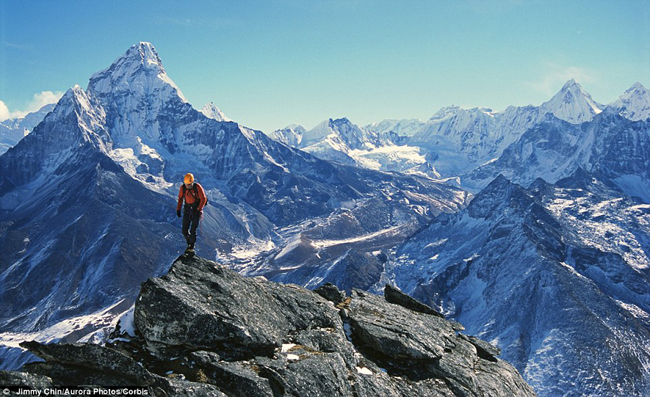
२९ फागुन, काठमाडौं । विश्वको उत्कृष्ट ६ ट्रेकिङ रुटमा नेपालको सगरमाथा वेस क्याम्प क्षेत्र परेको छ । बेलायती पत्रिका डेलिमेल र वल्र्ड एक्सपिडिसन्सले संयुक्तरुपमा सार्वजनिक गरेको विश्वको उत्कृष्ट ६ ट्रेकिङ रुटको सूचीको पहिलो नम्बरमा सगरमाथा बेश क्याम्प र कालापत्थर परेको छ ।
सगरमाथा वेस क्याम्प र कालापत्थरको यात्राका लागि १८ दिन लाग्ने भन्दै डेलिमेलले लेखेको छ-’परम्परागत शेर्पा गाउँको यो पौराणिक ट्रेक सर्वोच्च शिखर सगरमाथाको आधार शिविर र कालापत्थर हेर्न लायक छ ।’ संसारकै सवैभन्दा चर्चित यो ट्रेकिङ रुटमा बर्षमा हजारौं पर्यटक पुग्छन् ।
Gokyo-Lakes
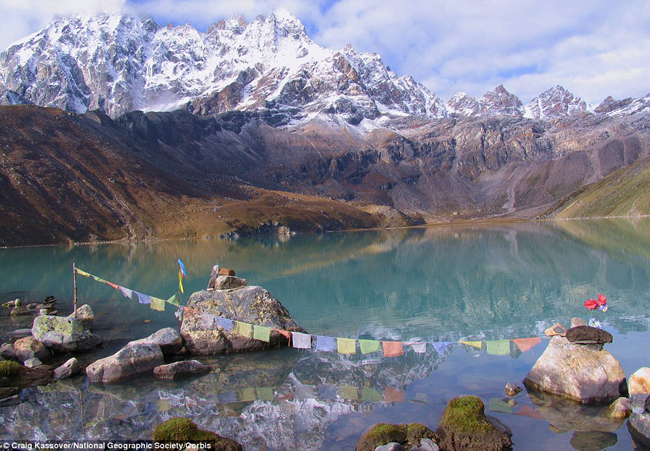
सिजनका बेला ब्यस्त हुने भन्दै पत्रिकाले सगरमाथा आधारक्षेत्रकै गोक्यो ताल क्षेत्रलाई बैकल्पिक पदयात्राको उपयुक्त मार्गका रुपमा सिफारिस गरेको छ । सगरमाथा राष्ट्रिय निकुञ्जमा पर्ने यो ताल क्षेत्रमा १७ दिनको ट्रेकिङ गर्न सकिने र सगरमाथासहित ल्होत्से, मनास्लु लगायतका धेरै उच्च शिखरलाई आँखै अगाडी हेर्न सकिने बताएको छ ।
सूचीमा अफ्रिकाको हाइल्याण्ड अप इथियोपिया, अमेरिकाको जोन मुइर ट्रेल, पेरुको हृवाइवास सर्किट, अष्ट्रेलियाको बंगल बुंगलेस पिकलिजी गोर्ज ट्रेक र स्विट्जरल्याण्डको बर्जिज ओवरल्याण्ड परेका छन् ।
सगरमाथा वेस क्याम्प र कालापत्थर, यात्रा १८ दिन
 गोक्यो लेक, यात्रा १७ दिन
Lose the crowds: If you're looking for an alternative to Everest, why not try a trek to Gokyo Lake
हाइल्याण्ड अप इथियोपिया, यात्रा १७ दिन
Go east: Head to Ethiopia and the Simien Mountains to see spectacular scenery and meet locals living in remote communities
जोन मुइर ट्रेल, यात्रा १२ दिन
Epic challenge: The John Muir trail starts in Yosemite National Park
Glowing reviews: The John Muir trek takes you across the famous Sierra mountain range
हृवाइवास सर्किट, यात्रा १९ दिन 
Quiet reflection: Get away from the crowds that trek Machu Picchu by taking on the Huayhuash Circuit
Reaching new peaks: Joe Simpson's thriller Touching the Void recounts his attempts to conquer Siula Grande in the Peruvian Andes
बंगल बुंगलेस पिकलिजी गोर्ज ट्रेक, यात्रा ५ दिन
Go west: The Beehive-like formations that make up the Bungle Bungle Range are seen here from the dry bed of Piccaninny Creek
Quirk of nature: This epic trek takes in the famous domes of thee Kimberley region of Western Australia
बर्जिज ओवरल्याण्ड, ८ दिन
 
Iconic: Surround yourself with the mighty Wetterhorn, Monch, Jungfrau, Eiger and Matterhorn peaks on a Bernese Oberland trek
Green, green grass: In winter the peaks are coated in snow, but in summer you can enjoy the lush vegetation

Thursday, March 6, 2014

अंगुर खानुका फाइदाहरु

अंगुरमा विभिन्न पौष्टिक तत्व, खनिज र भिटामिन हुन्छ । केही अध्ययनहरुले अंगुरले टाउको दुख्ने रोग (माइग्रेन) लाई कम गर्न पनि मद्दत गर्ने देखाएको छ । त्यही भएर डाक्टरहरुले अंगुरलाई प्राकृतिक रुपमा वा जुस बनाएर खान सल्लाह दिने गरेका छन् । यति मात्र नभएर अंगुरको दानाको पेस्ट अनुहारमा लागउने हो भने यसले छालालाई सनस्क्रीन जस्तै अल्ट्रा भायोलेट किरणबाट जोगाउन मद्दत गर्दछ । यसलाई घामले पोलेको बेला छालमा पनि लगाउन सकिन्छ । अंगुर हाम्रो आँखाको लागि पनि त्यतिकै फाइदाजनक हुन्छ । यसमा ल्युटिन र जियाक्सानथिन् पाइन्छ जसले आँखालाई तेज राख्न मद्दत गर्दछ । अंगुरमा रहेको प्ट्रोस्टीलबेल कम्पाउण्डले शरीरमा रहेको कोलेस्ट्रोलको मात्रा नियन्त्रण गर्न पनि मद्दत गर्दछ । अझ दम रहेका रोगीहरुले यसको दैनिक प्रयोग गर्नु राम्रो हुन्छ । किनले यसले फोक्सोलाई ओसिलो बनाउन पनि मद्दत गर्दछ । अंगुरले कब्जियत (दिसा नआउने समस्या) लाई पनि हल गर्न मद्दत गर्दछ किनभने यसमा चिनी, अर्गेनिक एसिड र पोलिओज रहेको हुन्छ ।

Wednesday, March 5, 2014

काठमाडौं संसारकै चौथो सस्तो सहर.

सन् २०१४ मा काठमाडौं बस्नका लागि विश्वकै चौथो सस्तो सहर बनेको छ । इकोनोमिस्ट इन्टेलिजेन्स युनिट (ईआईयू) ले विश्वभरका मानिसहरूको जीविकोपार्जनको खर्चमा गरेको सर्वेक्षणमा राजधानी काठमाडौं विश्वमा नै चौथो सस्तो सहर बनेको खबर आजका अखवारहरुमा छापिएको छ।
 
काठमाडौंसँगै गृहयुद्धले तहसनहस भएकामध्ये पूर्वमा रहेको सिरियाको राजधानी दमास्कस पनि विश्वका सस्ता सहरमा चौथो स्थानमा रहेको छ ।
 
न्युयोर्कलाई आधार रेखा मानेर विश्वका १ सय ३१ सहरमा गरिएको सो सर्वेक्षणमा भारतको मुम्बई विश्वमा नै सबैभन्दा सस्तो सहर बनेको छ । त्यस्तै, पाकिस्तानको कराँची र भारतकै नयाँ दिल्ली क्रमशः दोस्रो र तेस्रो सस्तो सहर बनेका छन्। 
 
सो सर्वेक्षणअनुसार सिंगापुर सबैभन्दा महँगो सहर सिद्ध भएको छ । सिंगापुर लुगा किन्नका लागिसमेत विश्वमा नै सबैभन्दा महँगो सहर सावित भएको छ । मूल्यवृद्धि र बलियो मुद्राका कारण सिंगापुरलाई सो स्थानमा पुर्याएको बताइन्छ । 
 
गत वर्ष सबैभन्दा महँगो बनेको सहर अहिले छैटौं स्थानमा झरेको छ भने दोस्रो र तेस्रोमा क्रमशः पेरिस र ओस्लो बनेका छन् । 
 
त्यस्तै, जुरिच, सिड्नी र भेनेजुयला क्रमशः चौथो, पाँचौं र छैटौं महँगा सहर भएको सो सर्वेक्षणले देखाएको छ । त्यस्तै, जेनेभा र मेलबर्न पनि छैटौं स्थानमा रहेका छन् ।

Tuesday, March 4, 2014

विश्वकपमा नेपालले खेल्दा ‘फ्ल्याग डे’ मनाइने


Falg Day
१९ फागुन, काठमाडौं । ट्वान्टी-२० विश्वकपमा नेपालको खेलका दिन ‘फ्ल्याग डे’ मनाइने भएको छ । राजधानीमा सोमबार भएको कार्यक्रममा नेपालको खेलका दिन मार्च १६, १८ र २० तारिखमा नेपाली क्रिकेट टोलीको जर्सी लगाएर ‘फ्ल्याग डे’ मनाउन अपील गरिएको छ ।
‘अघिल्लो विश्वकपमा कोरियाली ‘वी द रेड’ लेखिएको टिसर्ट लगाएका थिए’ कीर्तिमानी तेक्वान्दो खेलाडी दीपक विष्टले भने-’हामीले पनि नेपाली क्रिकेट टोलीको समर्थनमा फ्ल्याग डे मनाउन खोजेका हौं ।’ कार्यक्रममा मेगा बैंकका सिईओ अनिल शाह, हास्य कलाकारद्वय मदनकृष्ण श्रेष्ठ र हरिवंश आचार्य, पूर्व कप्तान विनाद दास लगायतले पनि फ्लाग डे बनाउन अपील गरेका छन् ।
बंगलादेशमा हुने ट्वान्टी-२० विश्वकपको पहिलो चरणमा नेपालले बंगलादेश, हङकङ र अफगास्तानसँग खेल्नेछ । तीनमध्ये कम्तिमा २ खेल जिते नेपाल दोस्रो चरणमा पुग्नेछ ।
फ्लाग डे मनाउन सिंगापुरको सिंगा स्टिलको बिएस स्पोट्सले जर्सी बेच्ने अधिकार विष्टको स्पोट्र्स युनिभर्सलाई दिएको छ । टिसर्टको मूल्य १०५० राखिएको छ ।


Sunday, March 2, 2014

SILA CHA: RE ( MAHA SHIVARATRI)-070-11-07


Maha Shivaratri, the night of the worship of Lord Shiva, occurs on the 14th night of the new moon during the dark half of the month of falgun. It falls on a moonless 27th February 2014 night, when Hindus offer special prayer to the lord of destruction. Shivratri (Sanskrit 'ratri' = night) is the night when he is said to have performed the Tandava Nritya or the dance of primordial creation, preservation and destruction. The festival is observed for one day and one night only.
on this day the major valley shrine complex of pasupatinath becomes a center for shaivite pilgrims from india and nepal. bhaktapur’s dattatreys temple is secondary pilgrims center at this time within bhaktapur in the evening fires are made along the roadside,courtyards and main squares.
Origin of Shivratri:
According to the Puranas, during the great mythical churning of the ocean called Samudra Manthan, a pot of poison emerged from the ocean. The gods and the demons were terrified as it could destroy the entire world. When they ran to Shiva for help, he in order to protect the world, drank the deadly poison but held it in his throat instead of swallowing it. This turned his throat blue, and since then he came to be known as 'Nilkantha', the blue-throated one. Shivratri celebrates this event by which Shiva saved the world.
Shiva Rituals:
On the day of Shivratri, a three-tiered platform is built around a fire. The topmost plank represents 'swargaloka' (heaven), the middle one 'antarikshaloka' (space) and the bottom one 'bhuloka' (earth). Eleven 'kalash' or urns, are kept on the 'swargaloka' plank symbolizing the 11 manifestations of the 'Rudra' or destructive Shiva. These are decorated with the leaves of 'bilva' or 'bael' (Aegle marmelos) and mango atop a coconut representing the head of Shiva. The uncut shank of the coconut symbolizes his tangled hair and the three spots on the fruit Shiva's three eyes.
Bathing the Phallus:
The phallus symbol representing Shiva is called the lingam. It is usually made of granite, soapstone, quartz, marble or metal, and has a 'yoni' or vagina as its base representing the union of organs. Devotees circumambulate the lingam and worship it throughout the night. It is bathed every three hours with the 5 sacred offerings of a cow, called the 'panchagavya' - milk, sour milk, urine, butter and dung. Then the 5 foods of immortality - milk, clarified butter, curd, honey and sugar are placed before the lingam. Datura fruit and flower, though poisonous, are believed to be sacred to Shiva and thus offered to him.
 
"Om Namah Shivaya!":
All through the day the devotees keep severe fast, chant the sacred Panchakshara mantra "Om Namah Shivaya", make offerings of flowers and incense to the Lord amidst ringing of temple bells. They maintain long vigils during the night, keeping awake to listen to stories, hymns and songs. The fast is broken only the next morning, after the nightlong worship. In Kashmir, the festival is held for 15 days. The 13th day is observed as a day of fast followed by a family feast.
Legends associated with Maha Shivratri:

1. On the day of Maha Shivratri at midnight, Lord Shiva revealed his Lingam form. Thus devotees perform the Rudra Abhishekham at midnight of Mahashivratri to worship the formless Sadashiv.

2. Lord Shiva and Maa Parvati got married on the day of Maha Shivratri. Thus from 'Nirgun Brahman' He became "Sagun Brahman" due to Maya power of Parvati.

3. Lord Shiva drank the poison Halahal that emerged during the churning of Kshir Sagar or the milky ocean and saved the world from humanity on this day. Due to the poison the Lord's throat turned as He came to be known as 'Neelkantha'.

4. Lord Shiva had revealed to Maa Parvati that the 14th night of the Krishna Paksha is His favorite night and that devotees who worship Him on thus night will surely receive His blessings

5. Also on the night of Mahashivratri Lord Shiva is said to have revealed the Tandava, the dance of primordial conception, preservation, sustenance and destruction

6. On the day of Mahashivratri, Maa Parvati performed strict penance for Lord Shiva


SILA CHA: RE ( MAHA SHIVARATRI)
Maha Shivratri, the night of the worship of Lord Shiva, occurs on the 14th night of the new moon during the dark half of the month of Phalgun. It falls on a moonless  27th February 2014 night, when Hindus offer special prayer to the lord of destruction. Shivratri (Sanskrit 'ratri' = night) is the night when he is said to have performed the Tandava Nritya or the dance of primordial creation, preservation and destruction. The festival is observed for one day and one night only.
on this day the major valley shrine complex of pasupatinath becomes a center for shaivite pilgrims from india and nepal. bhaktapur’s dattatreys temple is secondary pilgrims center at this time.within bhaktapur in the evening fires are made along the roadside,courtyards and main suqares.
Origin of Shivratri:
According to the Puranas, during the great mythical churning of the ocean called Samudra Manthan, a pot of poison emerged from the ocean. The gods and the demons were terrified as it could destroy the entire world. When they ran to Shiva for help, he in order to protect the world, drank the deadly poison but held it in his throat instead of swallowing it. This turned his throat blue, and since then he came to be known as 'Nilkantha', the blue-throated one. Shivratri celebrates this event by which Shiva saved the world.
Shiva Rituals:
On the day of Shivratri, a three-tiered platform is built around a fire. The topmost plank represents 'swargaloka' (heaven), the middle one 'antarikshaloka' (space) and the bottom one 'bhuloka' (earth). Eleven 'kalash' or urns, are kept on the 'swargaloka' plank symbolizing the 11 manifestations of the 'Rudra' or destructive Shiva. These are decorated with the leaves of 'bilva' or 'bael' (Aegle marmelos) and mango atop a coconut representing the head of Shiva. The uncut shank of the coconut symbolizes his tangled hair and the three spots on the fruit Shiva's three eyes.
Bathing the Phallus:
The phallus symbol representing Shiva is called the lingam. It is usually made of granite, soapstone, quartz, marble or metal, and has a 'yoni' or vagina as its base representing the union of organs. Devotees circumambulate the lingam and worship it throughout the night. It is bathed every three hours with the 5 sacred offerings of a cow, called the 'panchagavya' - milk, sour milk, urine, butter and dung. Then the 5 foods of immortality - milk, clarified butter, curd, honey and sugar are placed before the lingam. Datura fruit and flower, though poisonous, are believed to be sacred to Shiva and thus offered to him. 
"Om Namah Shivaya!":
All through the day the devotees keep severe fast, chant the sacred Panchakshara mantra "Om Namah Shivaya", make offerings of flowers and incense to the Lord amidst ringing of temple bells. They maintain long vigils during the night, keeping awake to listen to stories, hymns and songs. The fast is broken only the next morning, after the nightlong worship. In Kashmir, the festival is held for 15 days. The 13th day is observed as a day of fast followed by a family feast.
Legends associated with Maha Shivratri:

1. On the day of Maha Shivratri at midnight, Lord Shiva revealed his Lingam form. Thus devotees perform the Rudra Abhishekham at midnight of Mahashivratri to worship the formless Sadashiv.

2. Lord Shiva and Maa Parvati got married on the day of Maha Shivratri. Thus from 'Nirgun Brahman' He became "Sagun Brahman" due to Maya power of Parvati.

3. Lord Shiva drank the poison Halahal that emerged during the churning of Kshir Sagar or the milky ocean and saved the world from humanity on this day. Due to the poison the Lord's throat turned as He came to be known as 'Neelkantha'.

4. Lord Shiva had revealed to Maa Parvati that the 14th night of the Krishna Paksha is His favorite night and that devotees who worship Him on thus night will surely receive His blessings

5. Also on the night of Mahashivratri Lord Shiva is said to have revealed the Tandava, the dance of primordial conception, preservation, sustenance and destruction

6. On the day of Mahashivratri, Maa Parvati performed strict penance for Lord Shiva

www.khwapachhen.com

Top of Form
Bottom of Form

Nepal festival Losar


Performing dancing during Losar
Festival of NepalKathmandu:-
Losar (Tibetanལོ་གསར་, Wylie: lo-gsar is the Tibetan word for "new year." lo holds the semantic field "year, age"; sar holds the semantic field "new, fresh". Losar is the most important holiday in Tibet.
Losar is celebrated for 15 days, with the main celebrations on the first three days. On the first day of Losar, a beverage calledchangkol is made from chhaang (a Tibetan cousin of beer). The second day of Losar is known as King's Losar (gyalpo losar). Losar is traditionally preceded by the five day practice of Vajrakilaya. Because the Uyghurs adopted the Chinese calendar, and the Mongols and 


Tibetans adopted the Uyghur calendar,Losar occurs near or on the same day as the Chinese New Year and the Mongolian New Year, but the traditions of Losar are unique to Tibet, and predates both Indian and Chinese influences. Originally, ancient celebrations of Losar occurred solely on the winter solstice, and was only moved to coincide with the Chinese and Mongolian New Year by a leader of the Gelug school of Buddhism.


Losar is also celebrated by Yolmo,SherpaTamangBhutia and also inBhutan, although different regions in the country have their own respective new year. Losar is also celebrated by Tibetan Buddhists Worldwide.